
[ad_1]
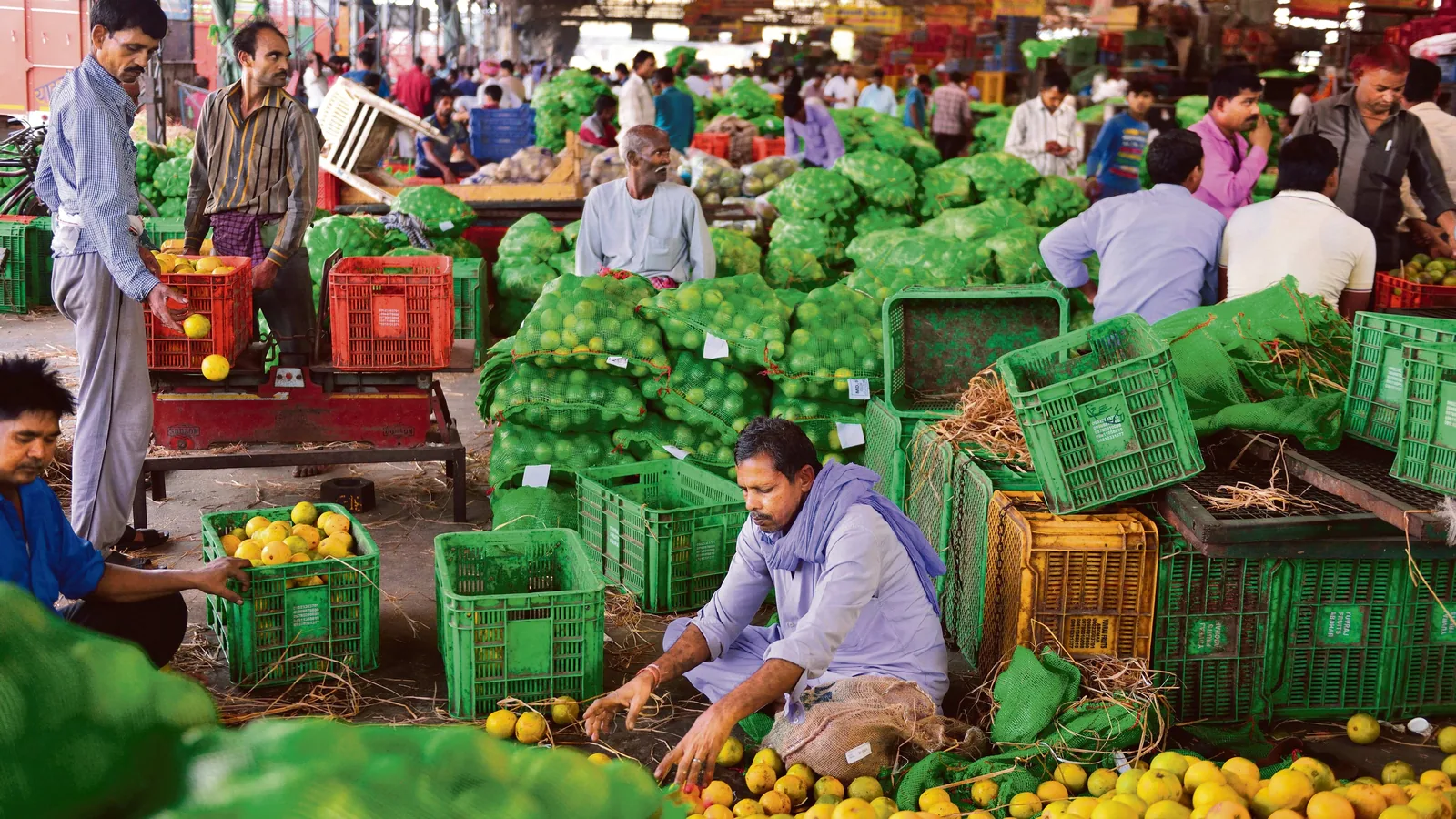
Food prices have pushed up retail inflation to a five-month high despite plentiful harvests, with food inflation rising 4.05% in December, the highest in three months, and hitting household budgets in a country where 800 million people, or two-thirds, depend on food subsidies.
Declining vegetable prices was more than offset by costlier oils and fats mainly because higher global prices of edible oil. The country imports up to two-thirds of its cooking oil.
Inflation, as measured by the consumer price index rose to 5.6% year on year in December from 4.9% in November. Food prices account for half of the CPI basket, and they rose 4.05% in December from 1.87% in the previous month.
Inflation has a strong bearing on the country’s macroeconomic policy. As the country battles another wave of the pandemic, driven by the highly transmissible Omicron variant, maintaining India’s nascent economic recovery is crucial.
However, higher inflation limits the Reserve Bank of India’s room to keep interest rates low to spur growth. The current CPI is within the central bank’s comfort level of 6% (4% plus or minus 2%)
Despite showing signs of stabilizing, edible oil prices continued to drive food prices, data released on Wednesday showed. While prices in several food segments declined, other rose sharply. Higher food prices affect poorer households more, who spend a higher proportion of their monthly budgets on food. Over all, food prices showed month-on-month contractions, led by vegetables, which declined 5.4% month-on-month. “This correcting the sharp rises observed in previous months owing to unseasonal rains,” said Sonal Varma, managing director and chief economist for Nomura Holdings.
Prices in other food categories such as meat and fish, edible oils, fruits, pulses and sugar also contracted month on month. However, compared to a year ago, inflation in the oils and fats categories rose 24%, despite the government claiming that prices of cooking oils had stabilized. Meat and fish rose nearly 5%.
With a third wave of Covid under way, analysts expect supply pressures to tighten further. “(With) rising commodity prices and output prices, we expect inflation to rise to 6.0-6.5% in January,” Varma added.

[ad_2]
Source link